

Video for


Video ist das erfolgreichste Medium unserer Zeit.
Mal ehrlich: Es gibt nichts besseres da draußen, um Menschen digital zu erreichen und zu begeistern. Videos erzählen Geschichten, die uns berühren. Sie wecken Emotionen und verdichten Informationen zu relevanten Inhalten, die uns etwas angehen. Damit Unternehmen dieses Potenzial umfassend für ihre Kommunikation und conversion entfalten können, gibt es uns.


Wir beflügeln Unternehmen mit der Power von Video.
Corporate Communication, Branding, Social Media, interaktive Live-Events. Wir entwickeln und betreiben Formate und Infrastrukturen, um Marken zu erfolgreichen Video-Publishern zu machen. Mit Geschichten von echten Menschen, Werten, Produkten und Lösungen. Maßgeschneidert durch solides journalistisches und filmisches Handwerk.
Ein Auszug unserer Projekte

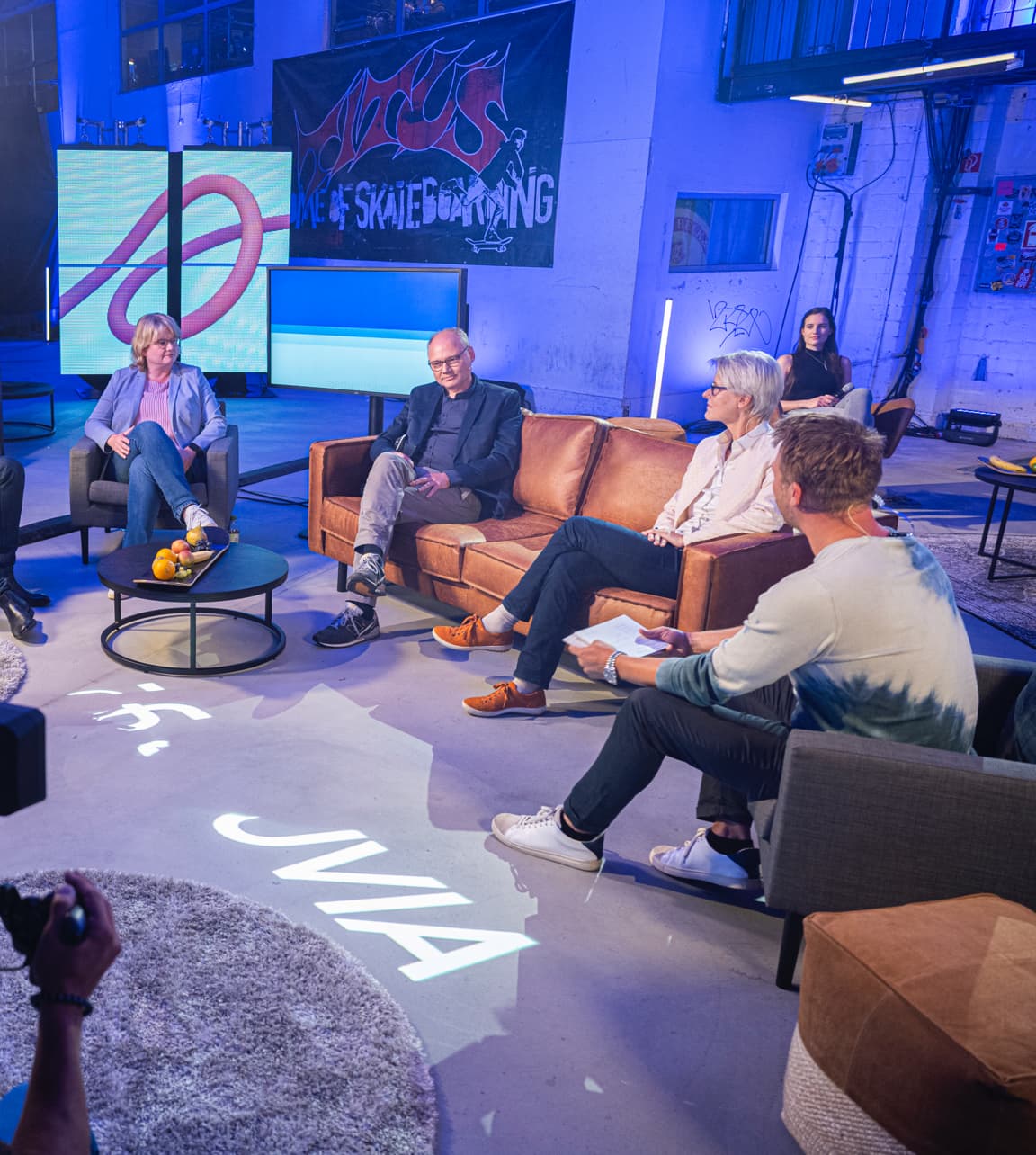


Stellen Sie sich vor, Sie hätten Ihr eigenes Video Department on demand, vollgepackt mit den erfahrensten Kreativen, Marketing Dudes, Filmnerds, preisgekrönten Produzenten, Redakteuren, Kameramenschen und Postproduktions-Spezialisten. Et voilá: Bien venue chez vogelheim.tv

In 3 Schritten zum effektiven Video Content
Von der Idee bis zum Impact begleiten wir Sie durch einen einfachen integrierten Prozess.
Beratung
Image-Content, Erklärfilme, E-Learnings, Case-Sudies, Commercials, digitale Live-Events: Wir analysieren, mit welchem Videoformat Sie Ihr Kommunikationsziel am besten erreichen. Im internen und externen Einsatz.
Produktion
Wir verdichten Ihre Informationen und Botschaften zu relevanten Inhalten mit Identifikationspotential und organisieren die gesamte Produktion auf Broadcast-Niveau. Videos, die Zielgruppen erschließen und Dialog initiieren.
Distribution
Damit Ihr Content wirklich wirkt, bringen wir ihn zielgenau an die digitalen Kontaktpunkte Ihrer Marke und gewinnen durch Performance-Monitoring und -Optimierung ein immer präziseres Verständnis davon, welche Story wen wie berührt.

